Inside a six-axis motion controller
A long look at the architecture, layout and validation that took a robotics controller from sketch to twelve thousand units.
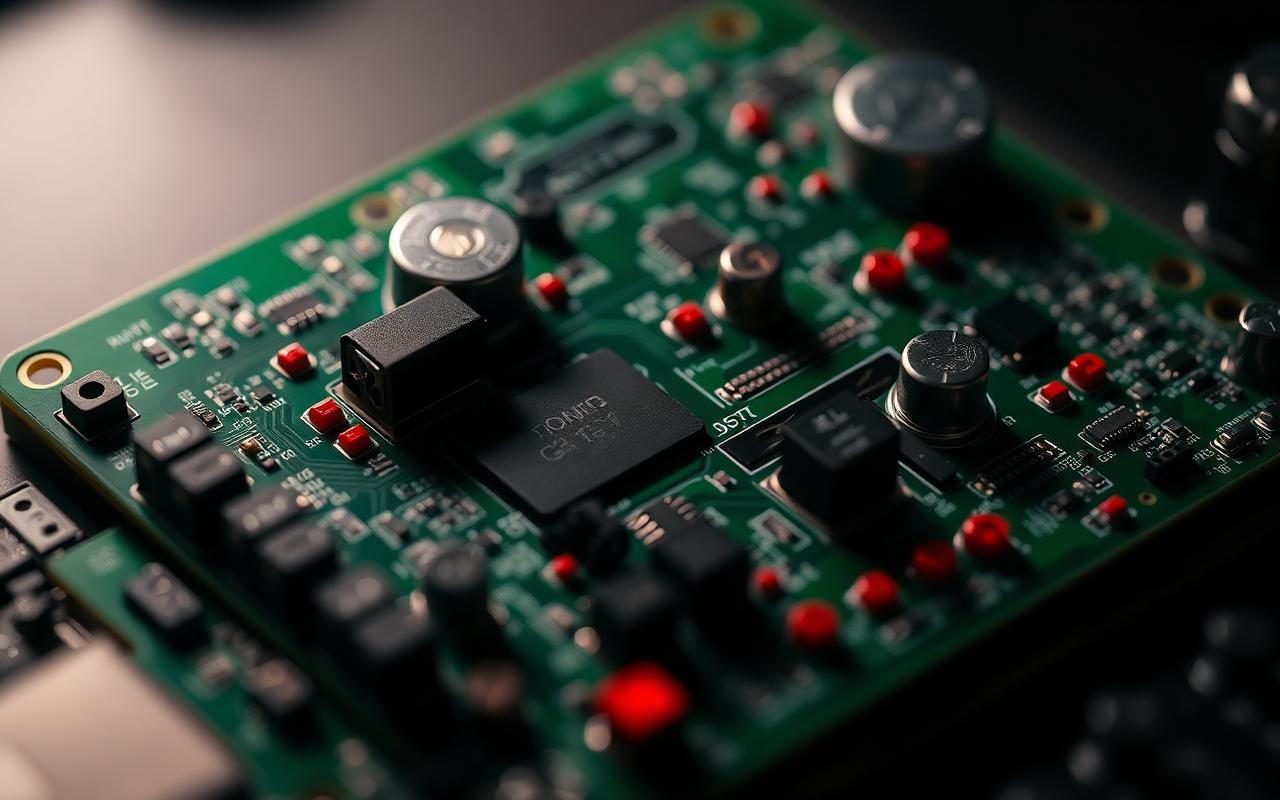
The brief was small. The system was not. A single STM32H7 had to run six closed loops at twenty kilohertz, talk EtherCAT and look effortless. We started with budget tables, not block diagrams.
One SoC. Six axes. Zero compromise.
Before we drew a schematic we built a CPU budget. Six FOC loops, an EtherCAT slave, a USB diagnostic port and a watchdog that meant it. The budget left twenty percent headroom for the inevitable late feature, and not a cycle more.

A layout that respects the silicon.
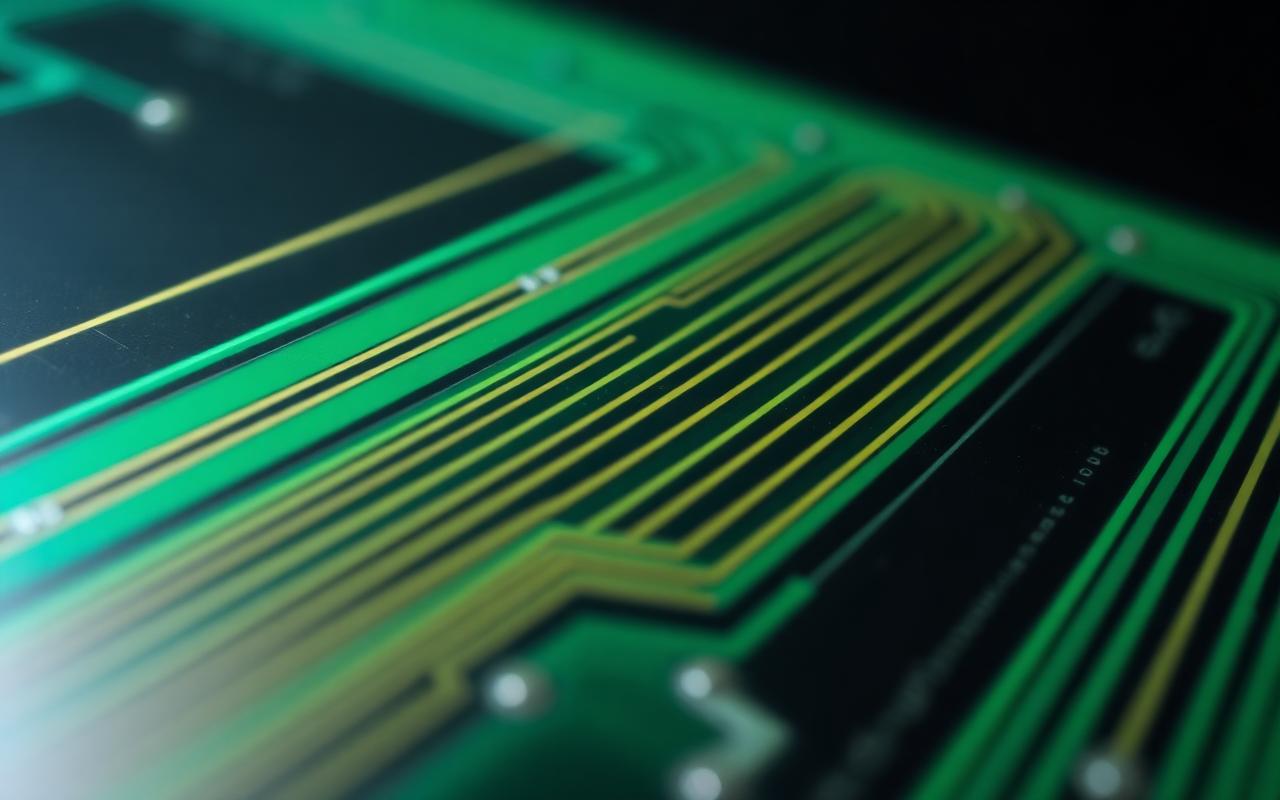
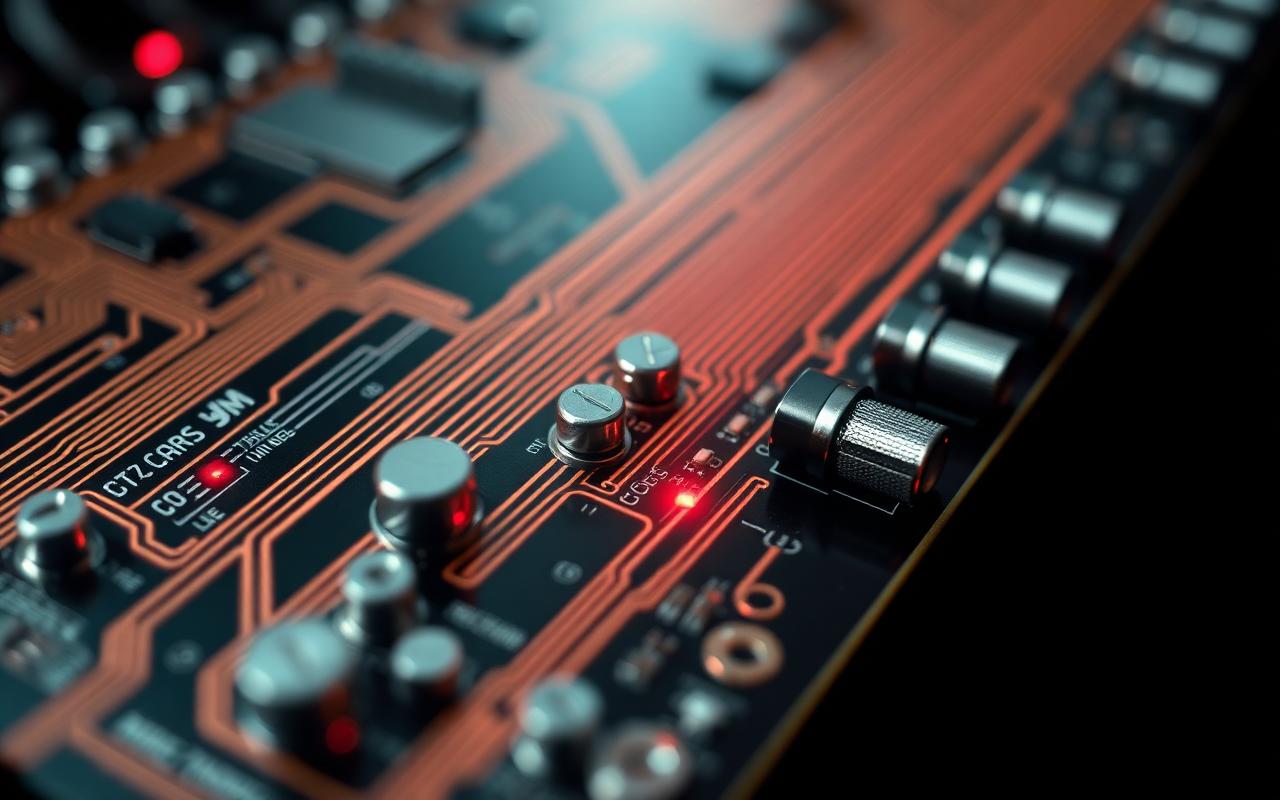
Mixed signal boards live or die on the return path. Eight layers, controlled impedance, careful pour topology. Every high-speed lane has a quiet neighbour below it.
- Power planes split by function, never by accident.
- Every clock with its own quiet island.
- Return vias within five mil of every signal via.
- ESD on every external pin, sized for the actual transient.
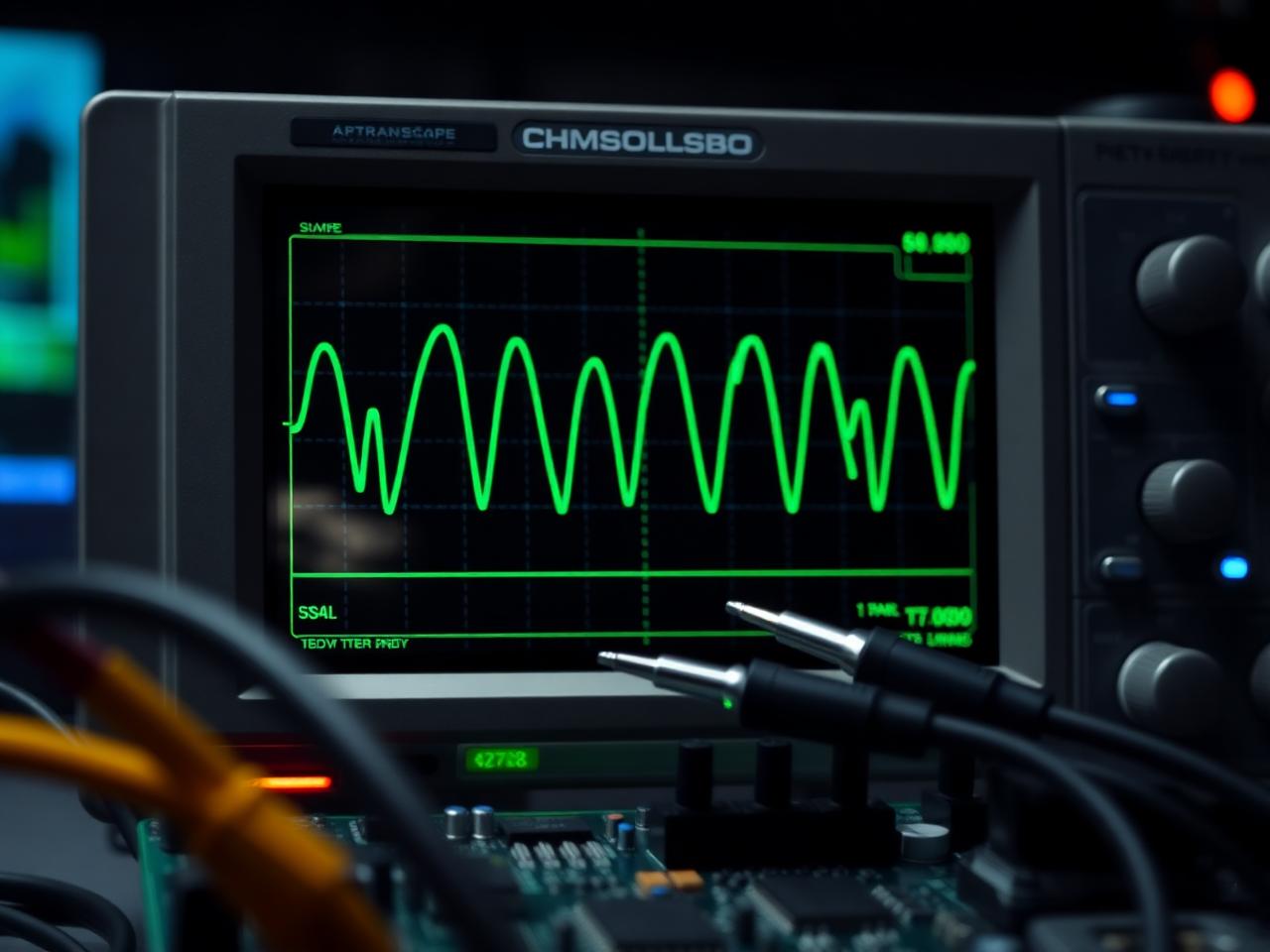
EMC pre-compliance ran in our chamber three weeks before the lab booking. The board passed on the first attempt.
First-pass certification.
We ran emissions, immunity and ESD on a near-field bench before the official lab date. Three spikes were found, three were fixed, and the lab booking turned into a formality.
Twelve thousand units. One revision.
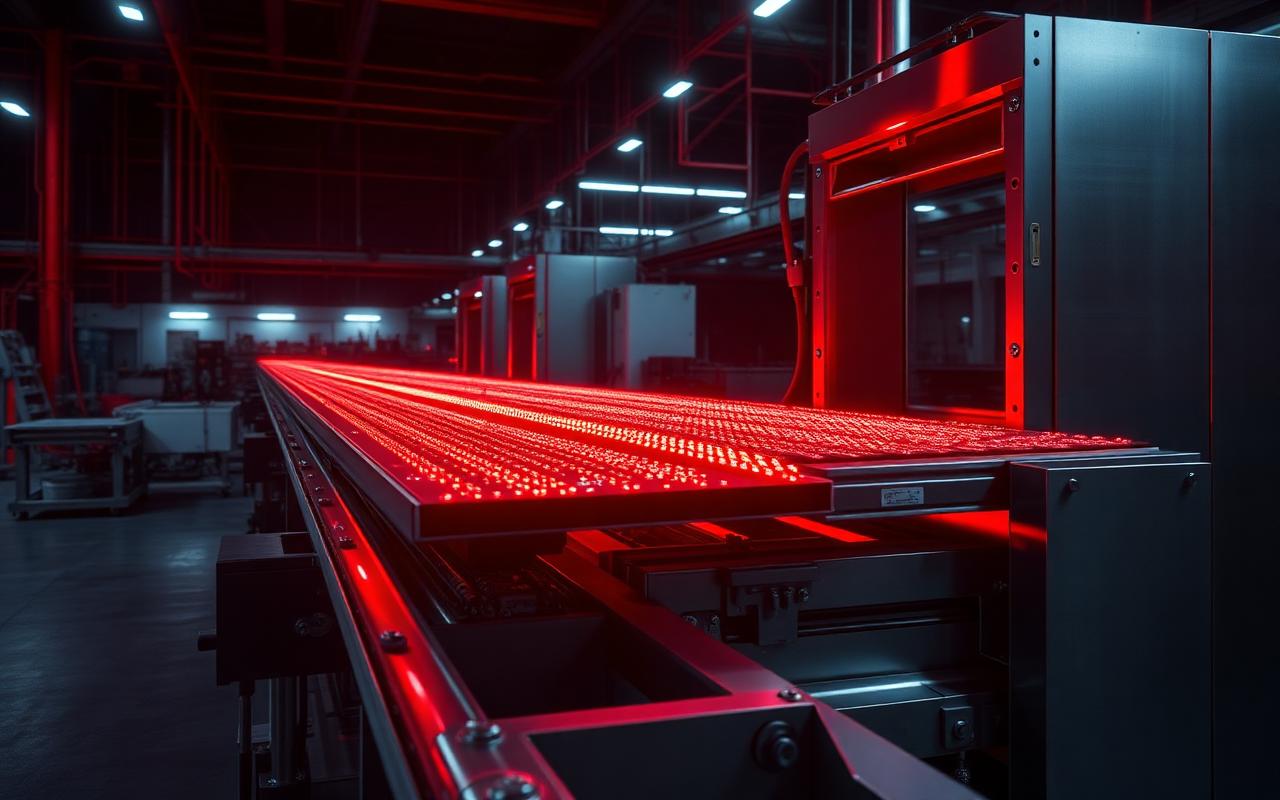
The board that went into the lab is the board that shipped. Yield held above ninety-eight percent through the first ramp. The line never had to call us.
That is the standard we hold every program to. Not zero defects, which is a fantasy, but zero surprises, which is a discipline.